The Sixth Floor Museum at Dealey Plaza: A Exploration Through History
The Sixth Floor Museum at Dealey Plaza serves as an substantial location for comprehending the assassination of President John F. Kennedy. Situated in the old Texas School Book Depository, it The Sixth Floor Museum at Dealey Plaza weather contains crucial exhibits that provide context to that tragic day. Visitors experience a blend of historical artifacts and digital presentations. As they investigate the museum, questions about JFK's lasting legacy and his impact on American society naturally arise. What understanding might they uncover?
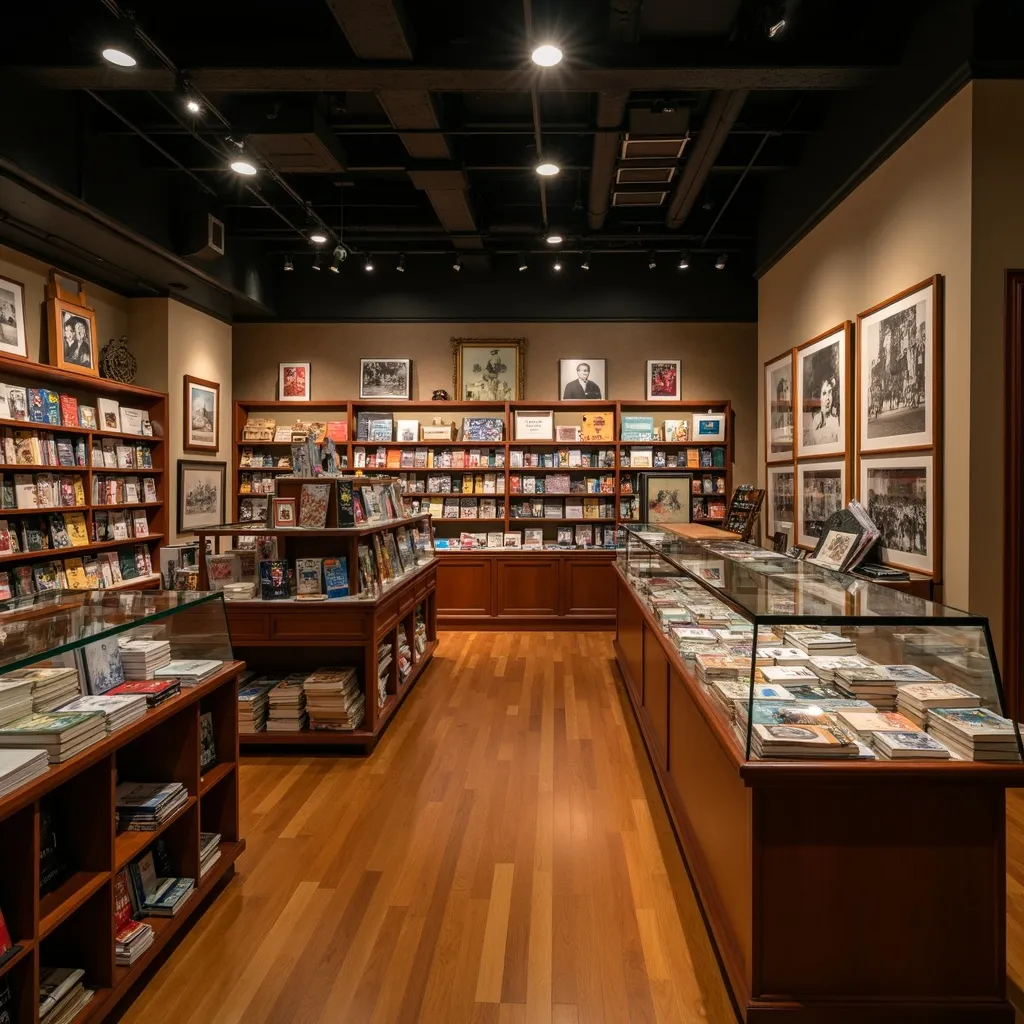
The Historical Relevance of Dealey Plaza
Although frequently acknowledged for its sorrowful association with the killing of President John F. Kennedy, Dealey Plaza possesses a profound historical significance that goes beyond this pivotal moment. Located in Dallas, Texas, the plaza was created in the early 20th century and reflects the architectural aspirations of the time. It served as a central hub for civic life, organizing various public events and gatherings, establishing it as a focal point in the city's development.
The mixing of modern and bygone elements is evident in the flanking edifices, which include the former Texas School Book Depository. This building, now housing the Sixth Floor Museum, offers insights into the events of November 22, 1963. Dealey Plaza is not just a site of mourning; it has transformed into a beacon of change, reflecting the unrest and transformation of the age. Its prominence as a public space continues to welcome visitors seeking to understand its complex legacy.
Visitor Information: Operating Times, Tickets, and Accessibility
The Sixth Floor Museum at Dealey Plaza greets visitors year-round, supplying a range of hours to accommodate different schedules. Typically, the museum operates from 10 AM to 5 PM, with extended hours during peak seasons. Tickets can be purchased online or at the museum entrance, with markdowns available for students, seniors, and groups. It is suggested to buy tickets in advance, especially during busy periods.
Accessibility is a fundamental concern at the museum. The facility is furnished with ramps and elevators, ensuring that all visitors, including those with mobility challenges, can navigate the exhibits comfortably. Additionally, the museum supplies assistive listening devices and materials in large print for those who need them. With its dedication to inclusivity, the Sixth Floor Museum endeavors to make the experience enriching for everyone, allowing all visitors to connect with the historical significance of the site.
What Makes This Place Pertinent to JFK's Legacy?
A vital aspect of John F. Kennedy's account, the Sixth Floor Museum at Dealey Plaza works as a compelling symbol of the tumultuous events surrounding his assassination on November 22, 1963. This setting is where Lee Harvey Oswald released the fatal shots that influenced the course of American history. Established in the Texas School Book Depository, the museum not only commemorates JFK's heritage but also examines the broader weight of his presidency and the era's political landscape. The plaza has become a symbol of both tragedy and transformation, expressing the nation's collective grief and the questions that lingered in the aftermath. By upholding artifacts and narratives from that fateful day, the museum stimulates reflection on the impact of Kennedy's leadership and the profound loss felt across the United States. Consequently, Dealey Plaza stands as an irreplaceable site for understanding the complexities of JFK's life and legacy.
Key Exhibits: What to See at The Sixth Floor Museum
At the Sixth Floor Museum, guests are able to discover a variety of displays that vividly illustrate the events surrounding JFK's assassination and his lasting legacy. Among the important displays is the famous sniper's perch, which provides insight into the viewing location from which Lee Harvey Oswald fired. Archival photos and records chronicle the assassination day, enabling visitors to witness the moment as it unfolded. Additionally, the museum presents personal artifacts belonging to Kennedy, highlighting his presidency and life. Visitors can interact with displays that examine the effect of his death on the nation and the world, emphasizing themes of hope and change. Each exhibit serves to deepen the understanding of JFK's influence and the deep national mourning following his death, making the museum a poignant memorial to a pivotal moment in American history.
Multimedia Displays and Works to Discover
While visiting the Sixth Floor Museum, attendees view a diverse collection of audiovisual displays that deepen the chronicle of JFK's life and assassination. These interactive presentations showcase visual content, audio recordings, and engaging interfaces that immerse guests to significant turning points in history. Importantly, a chronological sequence related to the assassination allows for a deeper understanding of the background and significance of that historic date in 1963.
Artifacts including original newspaper headlines, personal letters, and photographs more deeply involve visitors, providing concrete links to the past. The museum's focus on displaying diverse perspectives is evident in its meticulously organized content, which features first-hand accounts and scholarly analyses. Combined, these visual and audio components alongside historical objects establish an engaging environment, prompting guests to consider not only JFK's legacy but also the greater effect of his presidency on American history. This deliberate combination of technology and historical materials promotes a greater understanding for the complexities of the era.
Insights From Guided Tours and Educational Programs
How do guided tours and educational programs enhance the visitor experience at the Sixth Floor Museum? These initiatives provide structured, insightful examinations of the museum's extensive historical context. Experienced educators lead visitors through pivotal moments in American history, crafting stories that connect artifacts with their broader significance. This narrative method fosters a deeper emotional engagement, as participants gain perspectives that promote critical thinking.
Educational offerings including presentations and training events further enrich the experience by offering authoritative perspectives into distinct areas such as the impact of media on public perception during the 1960s. By facilitating discussions and fostering inquiry these programs create an interactive learning environment.
Examination of JFK's Legacy and Bearing on America
The enduring influence of John F. Kennedy shapes American politics and culture, reflecting his vision for a more equitable society. His term in office initiated profound changes, influencing both legislative decisions and societal attitudes. As the nation addresses ongoing change, JFK's impact remains a centerpiece for deliberation and study.
Persistent Imprint on Politics
Although John F. Kennedy's presidency was cut short, his influence on American politics persists as profound. His vision of a "New Frontier" inspired a generation to engage in in public service and champion sweeping reforms. Kennedy's advocacy of civil rights, despite initial hesitations, marked a watershed moment in national conversation, establishing for future legislative action. His devotion to confronting global issues, shown via the Peace Corps, emphasized a responsibility toward international partnership. The convictions he advanced, including social justice and economic equality, maintain resonance in contemporary political discourse. Additionally, the calamity of his assassination galvanized public mood, recasting the political landscape and prompting thoughtful contemplation on leadership and governance in America. JFK's legacy survives, influencing political aspirations to this day.
Cultural Changes and Transformation
Kennedy's administration not only shaped political ambitions but also sparked substantial cultural changes across America. His vision of a "New Frontier" motivated a age group, emphasizing civil rights, space exploration, and social progress. The hopefulness of the early 1960s cultivated a sense of collective identity, encouraging young Americans to participate in matters such as equality and civic accountability. Additionally, Kennedy's charm and eloquent speeches struck a chord, influencing popular culture and media representations of leadership. The tragic assassination in 1963 intensified this cultural impact, cementing his status as a symbol of hope and change. As a result, Kennedy's legacy keeps on inspire reflection on American principles and aspirations, prompting ongoing discussions about the nation's direction and the importance of civic engagement.
Frequently Asked Questions
Is it permitted to take images within the Sixth Floor Museum?
Photography inside the museum is generally forbidden to protect the exhibits and honor the memorial environment. Visitors should check specific guidelines upon arrival, as regulations may vary for special events or exhibitions.
Are age restrictions in effect for guests?
There are no defined age requirements for guests. The museum receives people from every age group, supporting families with children to explore its displays and learn about the historical significance of the location.
Can You Have Food and beverages in the Museum?
Consumables are prohibited inside the museum to preserve the standards of the exhibits and ensure a proper environment for all guests. Guests are encouraged to consume drinks in marked spots outside.
How long Does a Standard Appointment Last?
A standard trip to the museum lasts roughly one to two hours. Visitors often browse exhibits, interact with multimedia displays, and take in historical context, making the experience both educational and contemplative for each individual.
Are there any special events or activities during the year?
The museum conducts sundry programs and special events annually, such as exhibitions, commemorative activities, and lectures, intended to attract visitors and deepen their understanding of history and its value in the Dallas community.
Comments on “Visitor's Guide to exploring exhibits and historical landmarks”